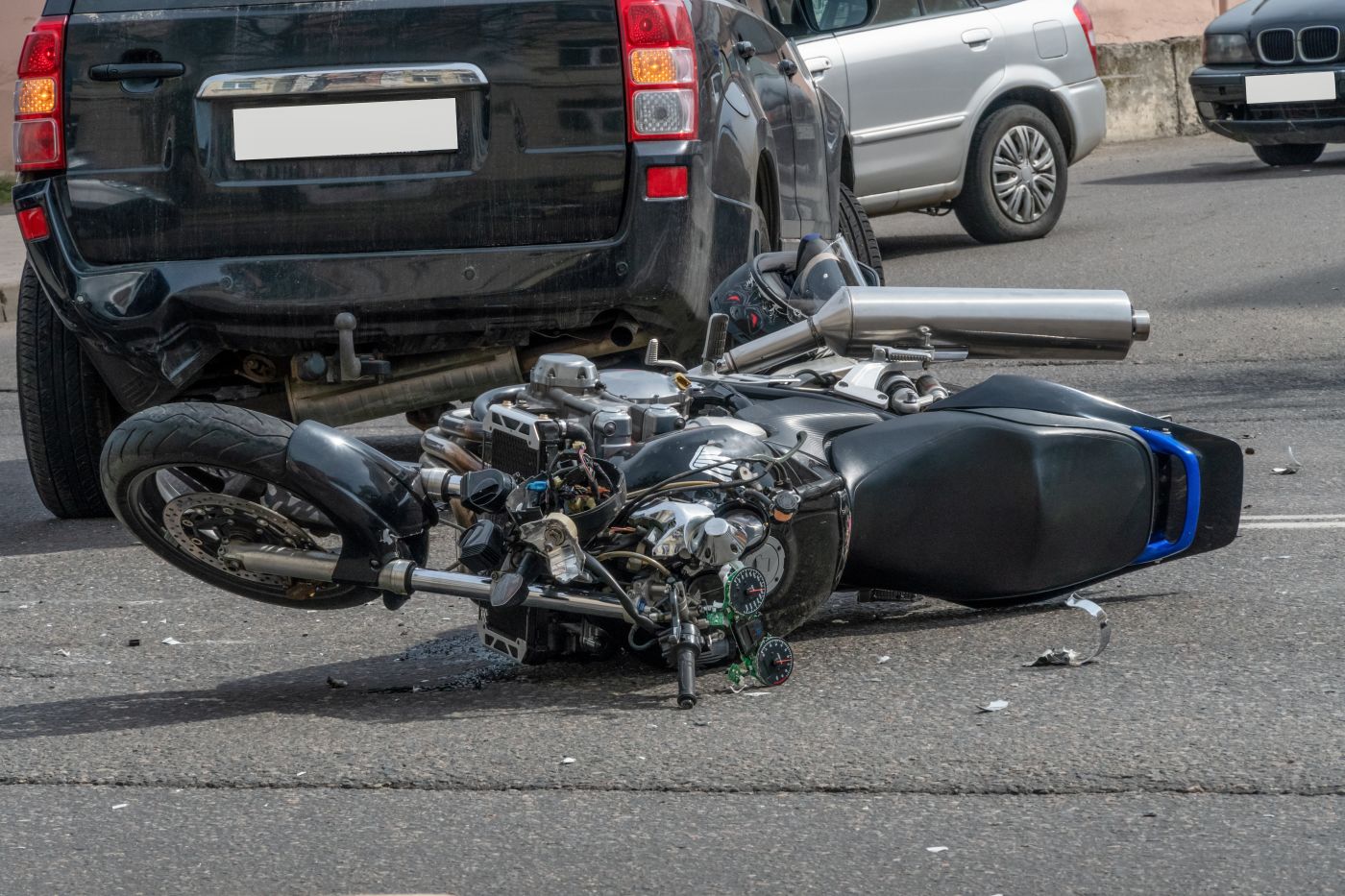
Motorcycle accident claims often involve unique liability issues because the facts are usually disputed more aggressively than in a typical car crash. Drivers may claim they “never saw” the motorcycle, insurers may try to blame the rider’s visibility, speed, or lane position, and the injuries are often severe enough to raise the financial stakes. If you were hurt in Kansas or Missouri, those liability questions can directly affect who pays and how much evidence you need.
At The Tourigny Law Firm LLC, I help injured riders and families in Kansas and Missouri sort through those issues early, before an insurance company’s version of the crash hardens into the claim record. If you are dealing with a motorcycle wreck in or around Kansas City, Missouri, contact me to schedule a free consultation.
I can help you understand what evidence matters, what deadlines may apply, and what steps can protect your claim. I handle these cases on a contingency fee basis, so you pay no upfront out-of-pocket legal fees, and I only collect a fee if I resolve your case through a settlement or verdict.
Why Do Motorcycle Crashes Create More Liability Disputes?
Motorcycle crashes tend to produce sharper disputes because motorcycles are smaller, accelerate differently, and leave riders more exposed. In many cases, the central question is not whether a collision happened, but why it happened and whether the driver should have seen and responded to the motorcycle in time.
A common example is the left-turn crash. A driver turns across traffic and says the motorcycle appeared “out of nowhere.” Another frequent scenario involves lane changes, where a driver claims the rider was in a blind spot.
Rear-end collisions, unsafe passing, and intersection crashes can raise similar arguments. Because riders have less physical protection, medical damages can be substantial, which often leads insurers to examine liability more aggressively. That does not mean the rider caused the crash. It means the evidence must be developed carefully.
What Kinds of Negligence are Common in Motorcycle Accident Cases?
The legal standard in both Kansas and Missouri is generally negligence: whether someone failed to use reasonable care under the circumstances. In motorcycle cases, that may involve:
Failing to keep a proper lookout
Turning left in front of an oncoming motorcycle
Changing lanes without checking mirrors or blind spots
Following too closely
Distracted or impaired driving
Failing to yield at intersections
Opening a vehicle door into a rider’s path
Creating road hazards through poor maintenance or debris
In some cases, more than one party may share fault. A driver may have caused the immediate collision, while a vehicle owner, employer, road contractor, or government entity may also be relevant depending on the facts. That is one reason motorcycle claims often require a broader liability review than people expect.
How Do Bias and Assumptions Affect a Motorcycle Injury Claim?
Motorcyclists sometimes start at a disadvantage because insurers and jurors may assume riders are reckless, even when the evidence says otherwise. That can shape the entire claim. An adjuster may focus on helmet use, protective gear, prior traffic history, aftermarket bike modifications, or whether the rider was lane filtering or changing position in traffic.
Those details can matter, but they do not automatically decide fault. The real issue is whether the rider’s conduct legally contributed to the crash and, if so, how much. In both Kansas and Missouri, fault can be shared.
Kansas follows a modified comparative fault rule, which generally bars recovery if a plaintiff is 50% or more at fault. Missouri uses pure comparative fault, which generally reduces damages by the plaintiff’s percentage of fault rather than barring recovery outright.
That difference can be case-changing. A crash that remains viable in Missouri may be treated differently in Kansas, especially if the insurer is trying to push a large share of blame onto the rider.
What Evidence Is Especially Important After a Motorcycle Wreck?
In a motorcycle claim, the evidence often needs to do more than prove impact. It needs to explain visibility, timing, speed, lane position, and driver decision-making. That is why early investigation matters.
Useful evidence may include:
Crash reports
Scene photographs and video
Helmet camera or dash camera footage
Witness statements
Skid marks, gouge marks, and debris patterns
Vehicle damage and motorcycle damage
Event data from other vehicles when available
Cell phone records in distraction cases
Medical records linking the injuries to the crash
I often tell clients that motorcycle cases can turn on details that seem minor at first, such as where the bike was in the lane, whether headlights were on, or how long the driver had an unobstructed view. Building a strong motorcycle accident claim usually means preserving those details before vehicles are repaired, witnesses disappear, or video footage is overwritten.
Can Road Conditions or Defective Parts Create Additional Liability?
Yes. Not every motorcycle crash is solely about driver error. Motorcycles are more affected by potholes, loose gravel, uneven pavement, poor drainage, missing warning signs, and roadway debris than passenger vehicles. In some cases, a public entity, contractor, maintenance company, or property owner may be part of the liability analysis.
Mechanical failure can also matter. Tire defects, brake failures, steering problems, or faulty components may raise a product liability issue. These cases differ from ordinary negligence claims and often require preserving the motorcycle and parts for inspection. If the bike is repaired, sold, or destroyed too early, important proof may be lost.
Why Does the Kansas-Missouri Difference Matter so Much?
Kansas City sits next to a state line, and motorcycle crashes in this region can involve Kansas drivers, Missouri drivers, out-of-state insurers, and accidents that happen on either side of the border. The state where the crash happened can affect comparative fault rules, insurance issues, and procedural requirements.
That matters in practical terms. A rider may assume the claim works the same way everywhere, but state law can change how blame is allocated and how the case is valued. When liability is already contested, applying the right state-specific rules from the start can make a real difference in how the claim develops.
Experienced Legal Advocacy
For riders injured in Kansas or Missouri, I can help evaluate fault disputes, preserve evidence, review the crash report, assess comparative fault issues, and deal with insurance companies that try to reduce a claim based on assumptions about motorcycles. My practice includes representing people injured in car, motorcycle, and commercial truck accidents, as well as families pursuing wrongful death claims after preventable losses.
If you are looking for a Kansas City motorcycle accident attorney, I offer free consultations and handle cases on a contingency fee basis. That means no upfront out-of-pocket legal fees, and I only get paid if I recover compensation for you through a settlement or verdict. If you were hurt in a motorcycle crash in Kansas or Missouri, contact me at The Tourigny Law Firm LLC to discuss the circumstances of the crash and how I can advocate for you.