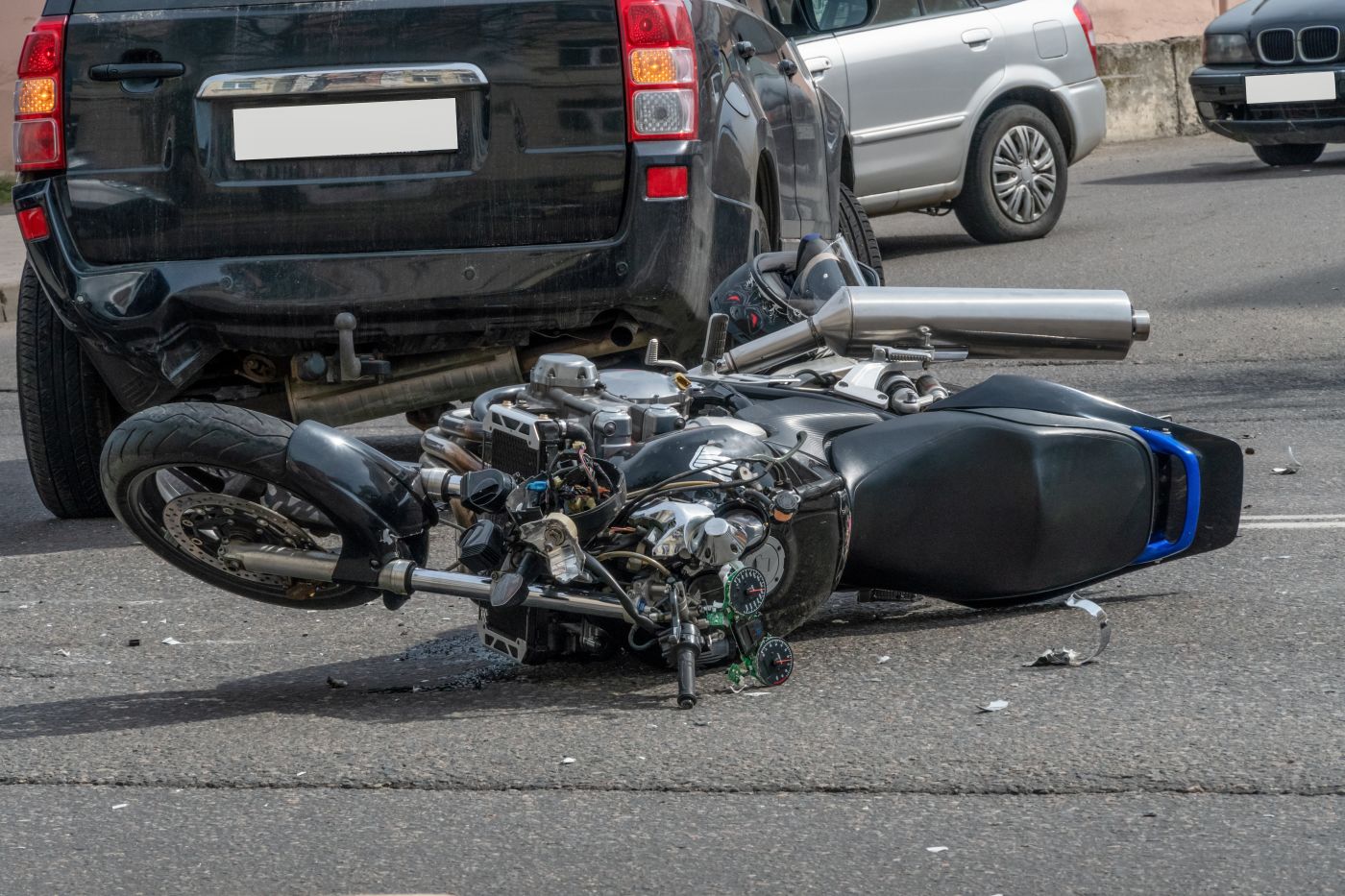
Photographs, videos, witness statements, incident reports, medical records, and financial documents can strengthen a personal injury claim. This evidence may help establish fault, connect the incident to your injuries, and document your losses. The most useful evidence depends on how the injury occurred and which facts the insurance company or opposing party disputes.
At The Tourigny Law Firm LLC, I help people in Kansas City, Missouri, and throughout Missouri and Kansas gather and evaluate evidence for personal injury claims. I use that evidence to develop a clear account of what happened and how the injury affected you. If you've been hurt in an accident, reach out to me today to learn more about how I can help.
What Evidence Can Help Establish Fault?
Photographs and videos can preserve conditions that may change or disappear after an injury. Depending on the incident, useful images may show:
Vehicle positions and damage
Skid marks, debris, or road conditions
Spills, broken flooring, poor lighting, or other hazards
Missing warning signs
Weather and visibility conditions
Your visible injuries
If you can do so safely, take close photographs of important details and wider photographs showing the surrounding area.
Video may come from traffic cameras, nearby businesses, doorbell cameras, dashcams, or mobile phones. Because some systems routinely overwrite recordings, identifying possible sources promptly can improve the chance that relevant footage remains available.
Other digital evidence may include electronic vehicle data, GPS information, messages, or business records. Access to private electronic information may require the owner’s cooperation or formal legal procedures.
Incident Reports and Official Records
Police crash reports, property incident reports, emergency-response records, and similar documents can help establish when, where, and how an injury was reported.
A police report may identify the parties, vehicles, witnesses, roadway conditions, and statements made at the scene. A report prepared by a store or property owner may show that the business received notice of the incident.
These reports do not automatically prove fault. They may contain incomplete information, disputed statements, or preliminary conclusions. Whether a report can be used in court also depends on the applicable evidence rules.
Reviewing the report may reveal errors, identify witnesses, or show which facts require further investigation.
How Do Medical Records Support Your Claim?
Medical records can connect the incident to your injuries and document their severity. Relevant records may include emergency treatment, diagnostic testing, physician notes, therapy records, medication history, physical restrictions, and future treatment recommendations.
Be accurate when describing your symptoms. Explain when they began, where you feel pain, and how they affect your activities. Your records should reflect your actual condition rather than exaggerated or minimized symptoms.
A delay in treatment or missed appointments may lead an insurance company to question whether the incident caused the injury or whether the condition is as serious as claimed. A delay does not automatically defeat a claim, particularly when there is a reasonable explanation, but it may create a disputed issue.
A preexisting condition also does not necessarily prevent recovery. Medical evidence may help distinguish an earlier condition from a new injury or show that the incident aggravated an existing condition.
A written record of your symptoms and limitations may help you remember how your condition developed between medical appointments. Keep entries accurate and specific. Note treatment dates, changes in symptoms, missed activities, and functional limitations instead of using exaggerated or repetitive descriptions.
Documentation of Financial Losses
Bills and financial documents can help establish the economic effect of your injury. Keep relevant materials such as:
Medical bills and insurance statements
Prescription and medical equipment receipts
Pay stubs and tax records
Employer confirmation of missed work
Records of sick leave or paid time off used
Repair estimates and property damage records
If the injury affects your future ability to work, evidence concerning your employment history, education, training, income, and medical restrictions may also become relevant. Future losses require a reasonable factual basis and cannot depend only on speculation.
When Are Witnesses or Experts Needed?
Witnesses can provide an independent account of how an incident occurred. A witness may have seen a driver violate a traffic rule, noticed a dangerous property condition, or heard a relevant statement.
Obtain the person’s name and contact information when possible. Memories can fade, and witnesses may become difficult to locate. Do not coach a witness or suggest what the person should say.
Some claims involve issues that require specialized knowledge. Depending on the facts, qualified professionals may address medical causation, accident reconstruction, future treatment, diminished earning capacity, engineering questions, or industry practices.
Not every personal injury claim requires expert evidence. The need for it depends on the complexity of the incident, the injuries involved, and the issues being disputed.
Preserving Evidence Before It Disappears
Evidence can be lost through ordinary events. Vehicles may be repaired, hazardous conditions corrected, surveillance footage overwritten, and damaged products discarded.
You can preserve evidence in your possession by:
Saving original photographs and videos
Keeping relevant receipts and correspondence
Preserving damaged property when safe and practical
Recording witness contact information
Retaining communications with insurers
When another person or business controls the evidence, a written preservation request may identify the material being sought and notify that party not to destroy or alter it. A request does not guarantee that the evidence exists or can be recovered, but it may help protect relevant information.
Be cautious about discussing the incident publicly. Insurance companies may review social media posts and compare them with your claimed injuries. You should also avoid guessing when asked about facts you do not remember. An inaccurate statement may later be used to challenge your reliability.
How Fault Rules Differ in Missouri and Kansas
Evidence of fault matters in both Missouri and Kansas, but the states apply different comparative fault rules.
In Missouri, compensation may generally be reduced according to the percentage of fault assigned to the injured person. In Kansas, an injured person generally cannot recover when assigned 50% or more of the total fault. If the person’s Kansas fault is below 50%, compensation is reduced by that percentage.
The governing law may depend on where the injury occurred and other jurisdictional facts. Procedures and deadlines can also vary based on the type of claim and the party involved. Evidence should therefore be evaluated under the law applicable to your case.
Turning Evidence into a Clear Personal Injury Claim
When you have been injured because of someone else’s negligence, gathering records and communicating with insurance companies can be difficult while you are receiving treatment.
As an experienced Kansas City personal injury attorney, I'm here to handle the legal work involved in your claim. My firm will collect available evidence, investigate the circumstances of your injury, document your losses, and negotiate with insurance companies. I will fight to pursue fair compensation while you focus on healing and getting better.
At The Tourigny Law Firm LLC, I represent clients in Kansas City, Missouri, and throughout Missouri and Kansas. Contact me today to discuss your injury and the evidence that may support your claim.